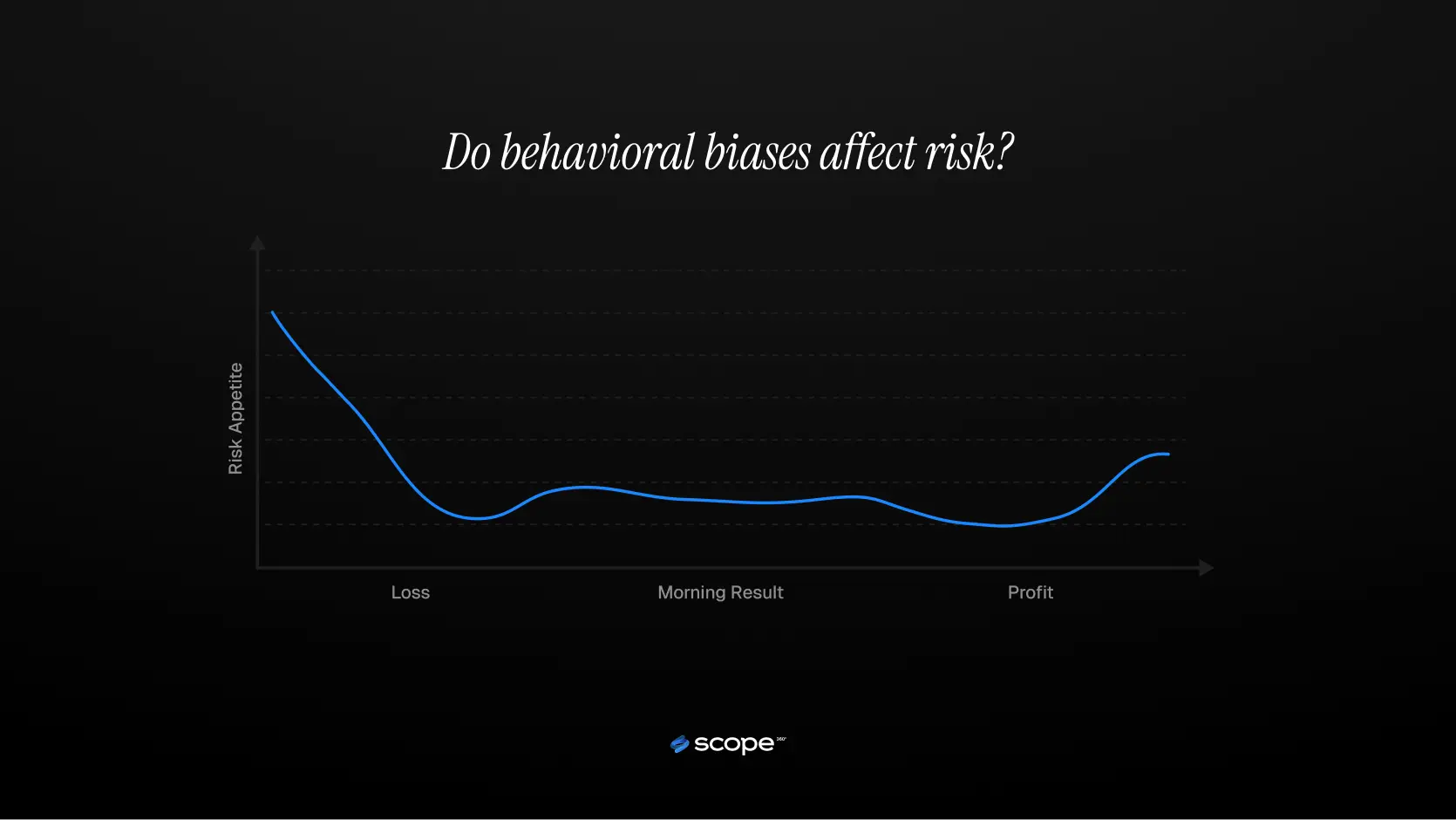
Traders often evaluate the quality of their actions based on the final outcome of a trade. If a position closes in the black, the decision is perceived as correct, and the profit earned gradually becomes confirmation that the chosen approach can be used going forward.
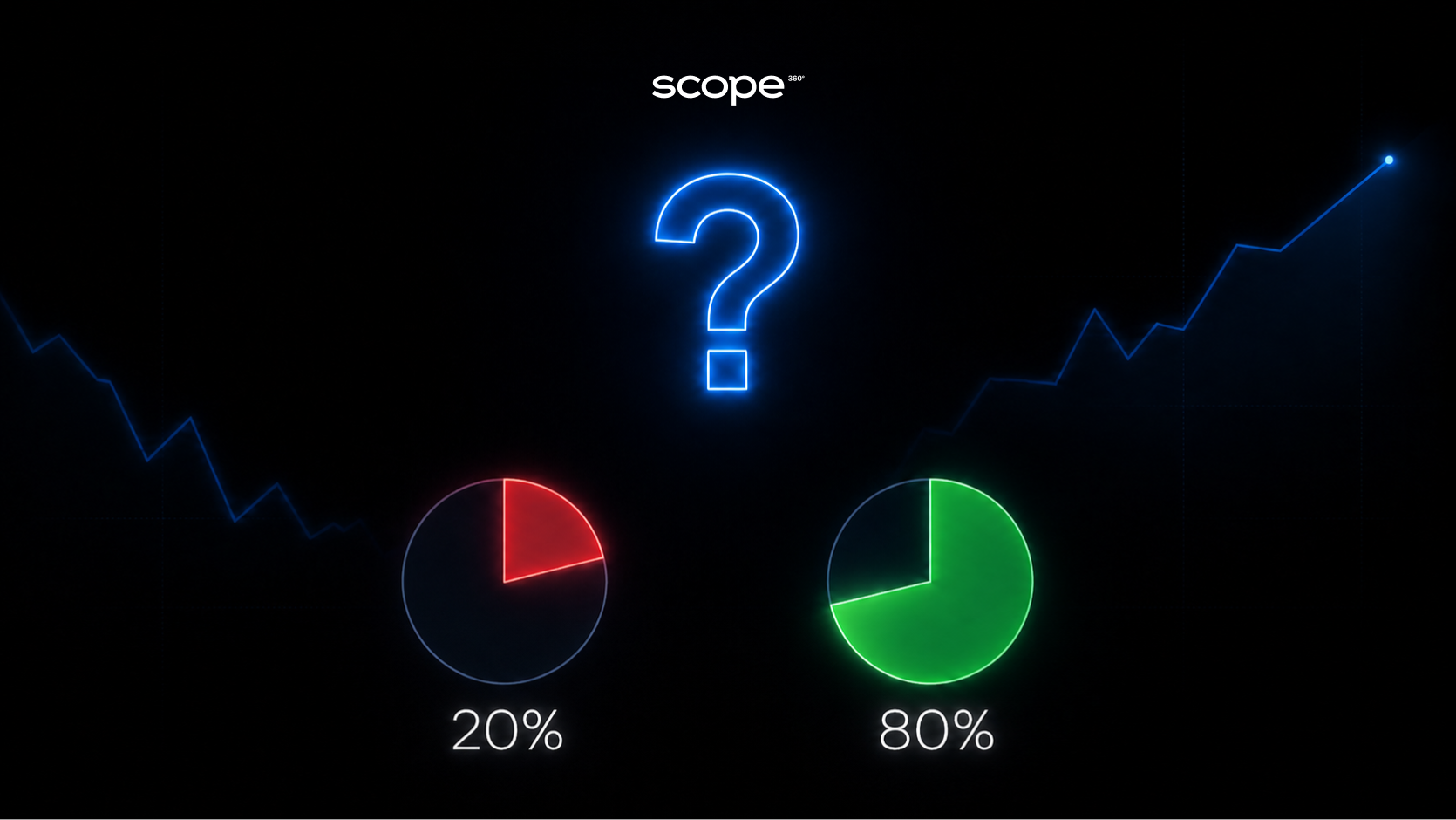
The problem arises in situations where a positive result was achieved by breaking one’s own rules, taking excessive risk, or taking actions that, under different market conditions, could have ended much worse.
In what cases can a profitable trade actually harm you?
— When you’ve taken on too much risk.
If the trade had resulted in a loss, you would have considered it a mistake, but in the case of a positive outcome, this action might seem correct to you. However, if this trade had been closed out by a stop-loss, you would have lost more than you should have, and then you would certainly have considered taking on excessive risk a mistake.
— When you opened this position during a news release.
News = a spike in volatility, which traders perceive as an opportunity. Often, the true news-driven move begins after the “helicopter” phase, which triggers short-term stop-losses. Therefore, if this didn’t happen in your situation, it doesn’t mean you shouldn’t expect it next time.
— When you opened a position without a stop-loss.
Trading without a stop-loss is especially popular among novice crypto traders. Because the crypto market is more volatile, many believe they can skip setting a stop-loss and lock in a break-even after the price returns to the entry point. But the price may not return to your entry point, and this could result in a liquidation.
— When you haven’t analyzed a trade after closing it.
Often, after taking profits, traders decide that the ultimate goal has been achieved and there’s nothing left to analyze. It’s important to remember that even successful trades require analysis and evaluation to learn from them.
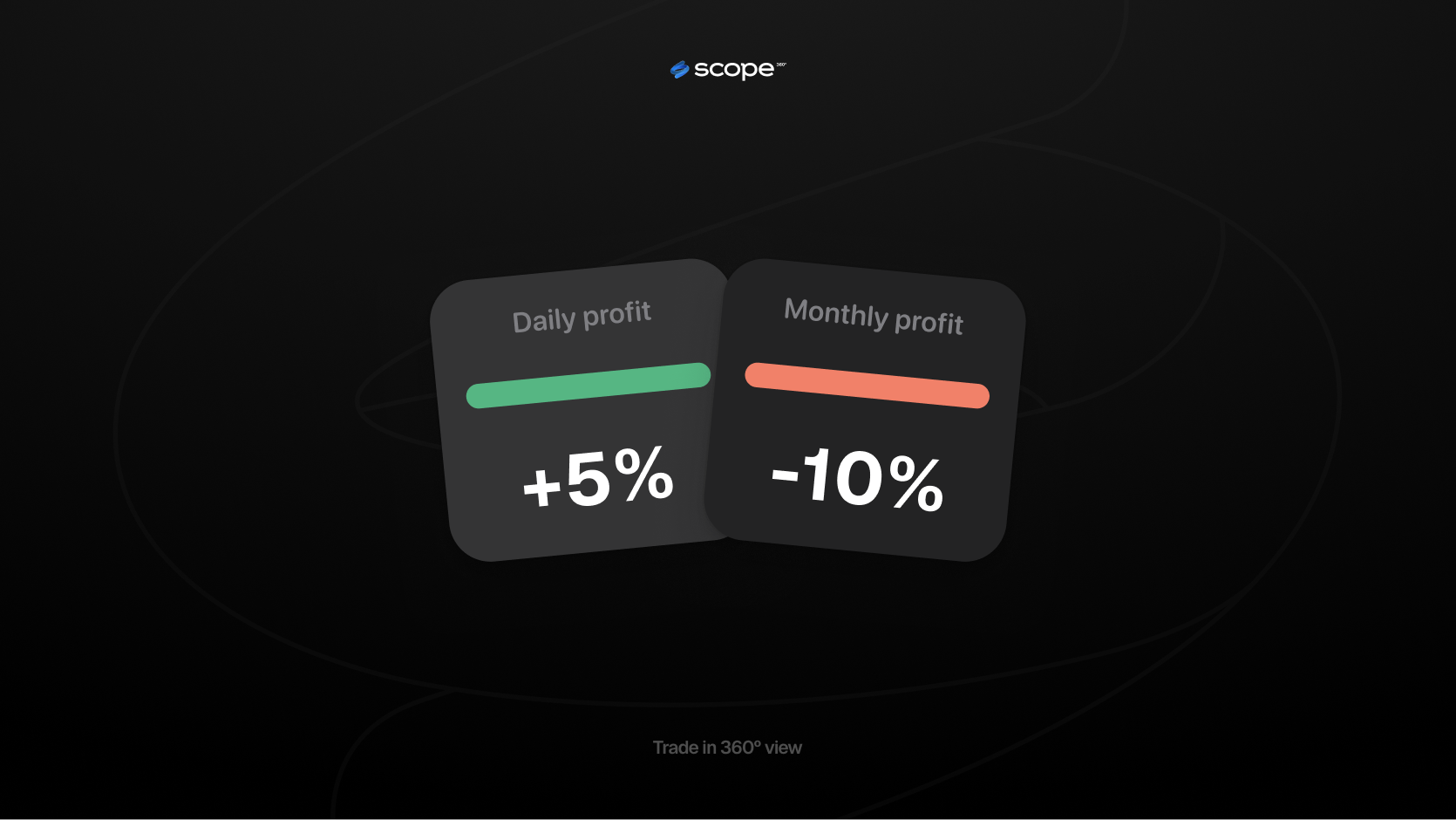
Taking profits in the situations described above reinforces negative behavioral patterns and ensures their recurrence in the future, which, in the long run, will not only erode the profits you’ve made but also drive you into a drawdown.
Want to better understand yourself and your trading?
Try the Scope360 automated trading journal for free ←